
Founded in 1996, Docomomo US/Northern California is a nonprofit 501(c)(3) membership organization dedicated to documenting and conserving the Modern Movement's buildings, sites, and neighborhoods.
Founded in 1996, Docomomo US/Northern California is a nonprofit 501(c)(3) membership organization dedicated to documenting and conserving the Modern Movement's buildings, sites, and neighborhoods.
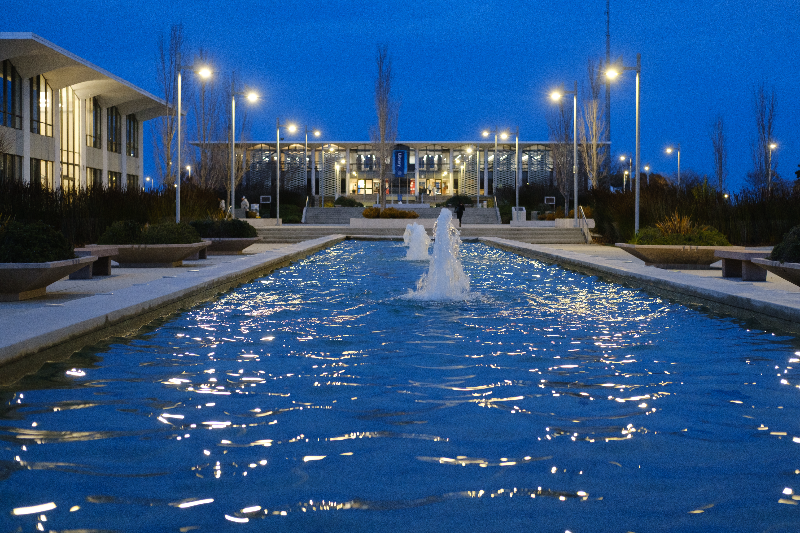
College of San Mateo’s hilltop College Heights campus is a rare, cohesive Bay Area Neo-Formalist masterpiece by architect John Carl Warnecke—an accessible mid-century modern environment where folded-plate roofs, colonnades, and courtyards quietly create a dignified, university-like experience just south of San Francisco.
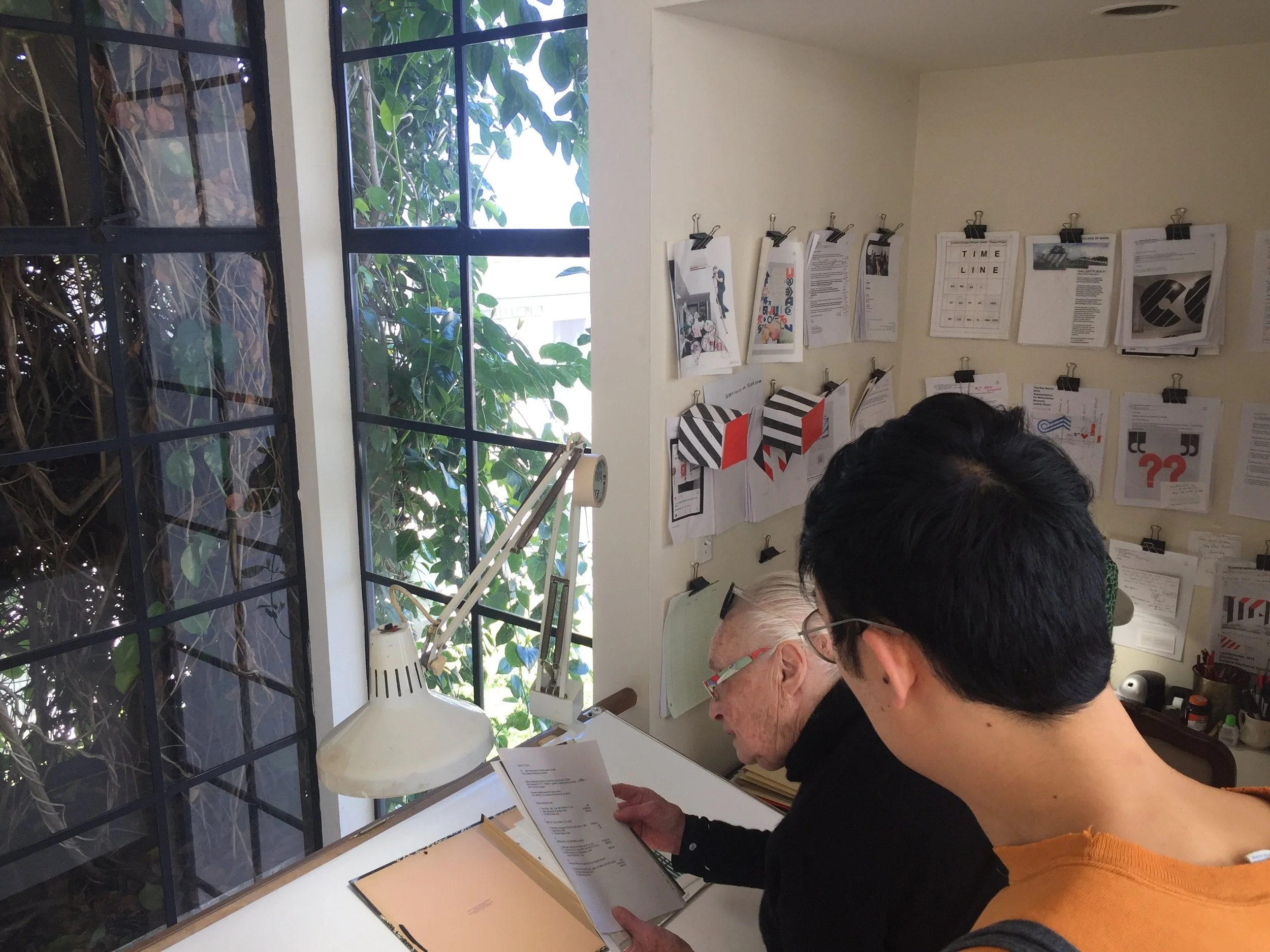
Stepping into Barbara Stauffacher Solomon’s North Beach loft in 2017, I expected a polite studio visit and instead landed in the middle of her life story—greeted first by Gus the barking dog, then by Barbara’s amused, commanding voice filling the stairwell as completely as her Sea Ranch supergraphics filled a wall. Surrounded by a ping-pong table turned canvas, a towering library, and portfolios she firmly intended for museums, I listened as she leapt from dancing at the Copacabana to nights with Surrealists, then stopped me short—“Are you interested in books about me or by me?”—before selling me her own, signed “Bobby,” and joking the cash would go straight to her dog walker.
Between 1937 and February 1939, a league of architects set out to create a vision of Pacific Unity on Treasure Island. Their vision would reflect the early 20th-century architecture and lifestyles of California and the Pacific Rim- a style that opposed that of the technologically modern New York World Fair occurring in the same year. Yet, three interwar-modern buildings emerged despite the prescribed “Pacific Basin Style” of the Exposition’s Architectural Board. These buildings, perhaps overlooked by modern enthusiasts, would influence the future of Modernism and the second and third Bay Traditions of California architecture for years to come.
Docomomo US Tour Day celebrated Diversity in Modernism to highlight the contributions of female and underrepresented architects, landscape architects, designers, and artists to the modern movement. Like many professions, the field of architecture is primarily dominated by white male architects, and their legacies are entered into the canon. San Francisco’s Chinatown is a great place to explore the work of architects and designers of Chinese descent because it is not only the birthplace of San Francisco but also where modern architecture exists if you know where to look.
This article explores modernist sacred architecture in Northern California, highlighting how architects utilized contemporary technologies to create spaces for community building and religious practice during the last century. It emphasizes that while many architects of these spaces are forgotten, their creations fostered lasting stories within their communities.
The article also notes that beauty can be found in the mundane and functional aspects of modernist architecture, and not every building needs to be a cathedral to be appreciated.
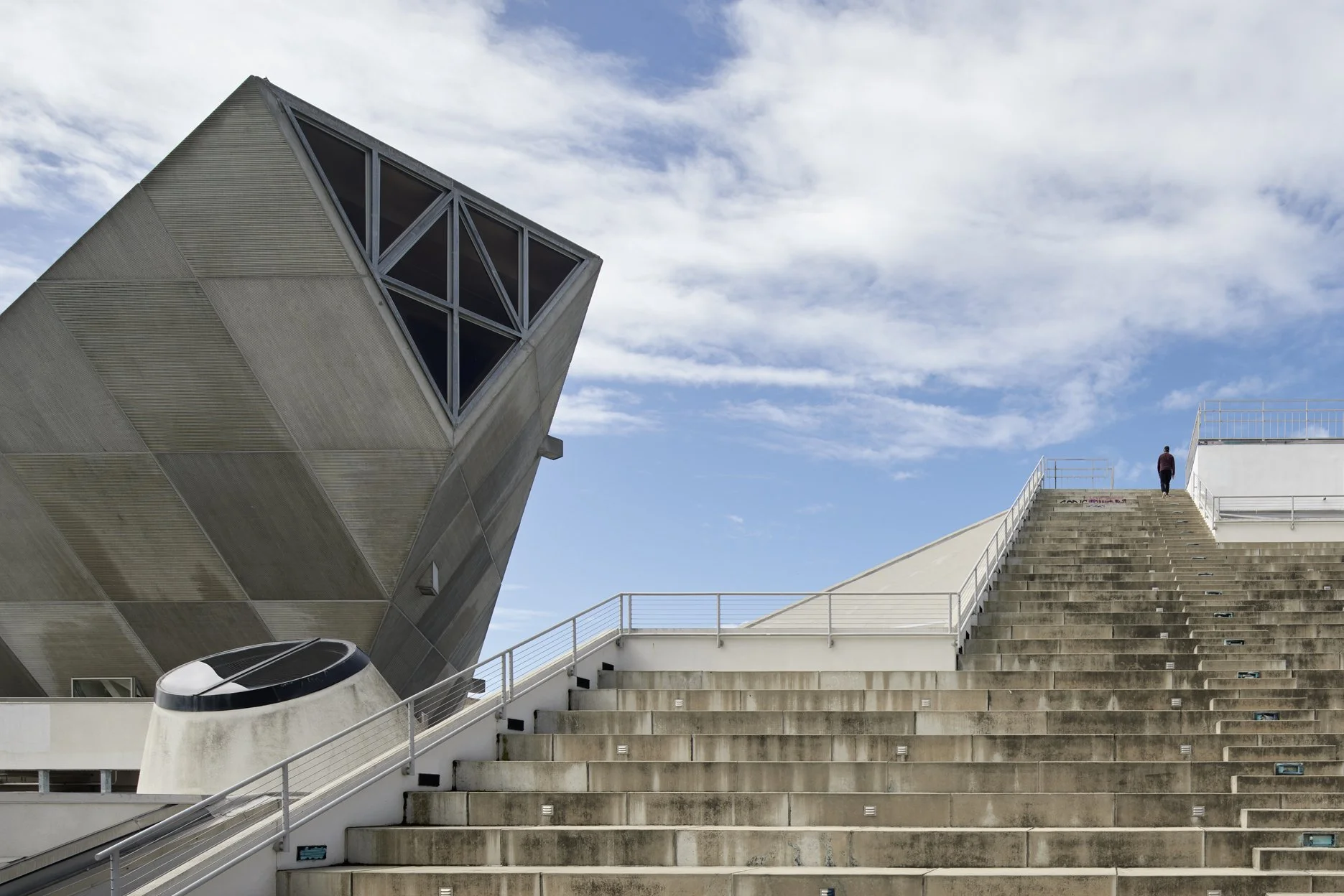
Join Docomomo US/Northern California for a tour of Paffard-Keatinge Clay’s San Francisco State University Student Center (1968-1975). Photos courtesy of Bruce Damonte Photography | https://www.brucedamonte.com/
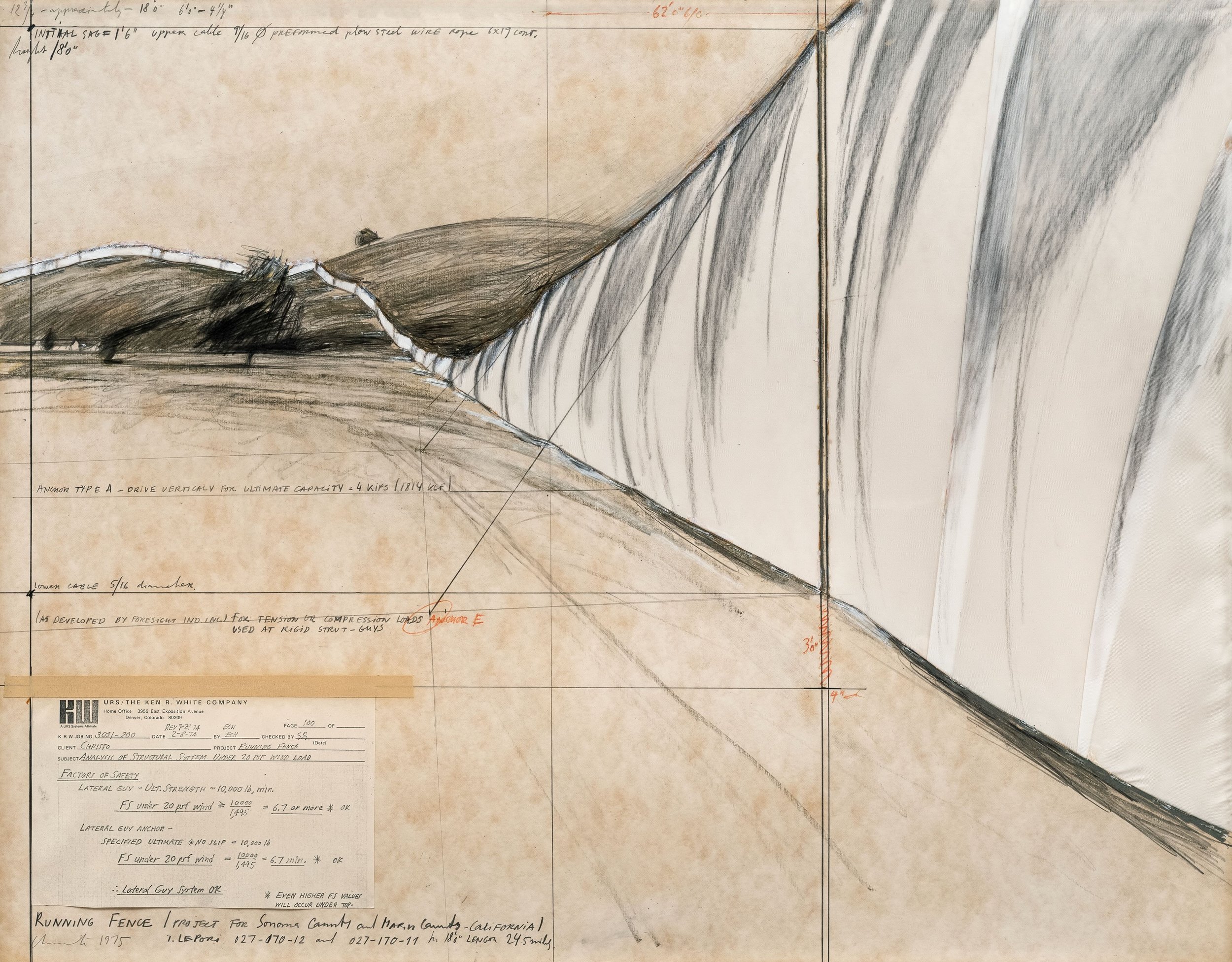
September marks the 50th anniversary of Christo and Jeanne-Claude's Running Fence project. The installation stretched 24.5 miles across 59 properties in Sonoma and Marin Counties, before descending to the Pacific Ocean. To celebrate the anniversary, the Museum of Sonoma County will host an exhibition, Christo and Jeanne-Claude: Running Fence at 50 Years, on view from June 27 through Nov. 8, 2026.
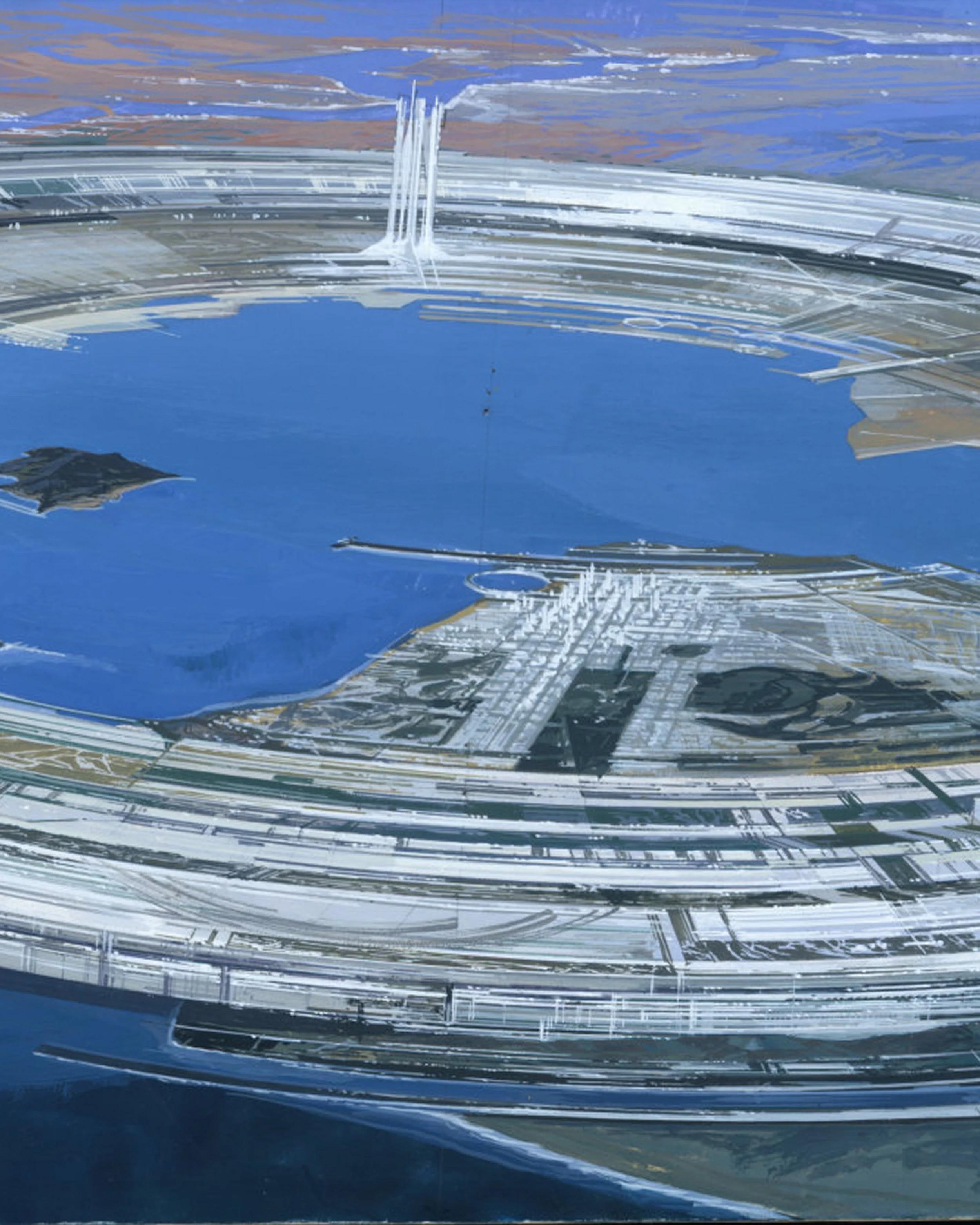
Explore the future through an architectural lens in Syd Mead: Future Pastime, featuring 16 original gouache paintings by the visionary artist and industrial designer. Mead imagined not simply futuristic buildings but entire worlds—places where architecture, transportation, technology, and everyday life form a coherent whole. His paintings invite us to consider how monumental structures, layered infrastructure, and spaces for leisure might transform the experience of the city. Through Dec. 17th. Transamerica Gallery. Free Admission.
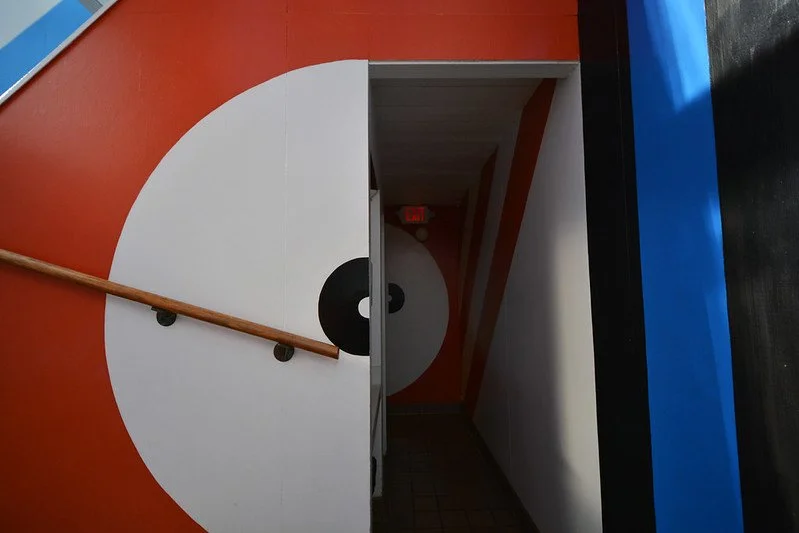
Discover the creative world of Barbara Stauffacher Solomon, whose bold Supergraphics at The Sea Ranch brought her international attention in 1966. This exhibition looks beyond those celebrated designs to explore more than six decades of work spanning graphic design, architecture, landscape, painting, and books. Trained in Swiss graphic design in Basel and later in architecture at Berkeley, Solomon brought a distinctive perspective to California’s built and imagined landscapes.
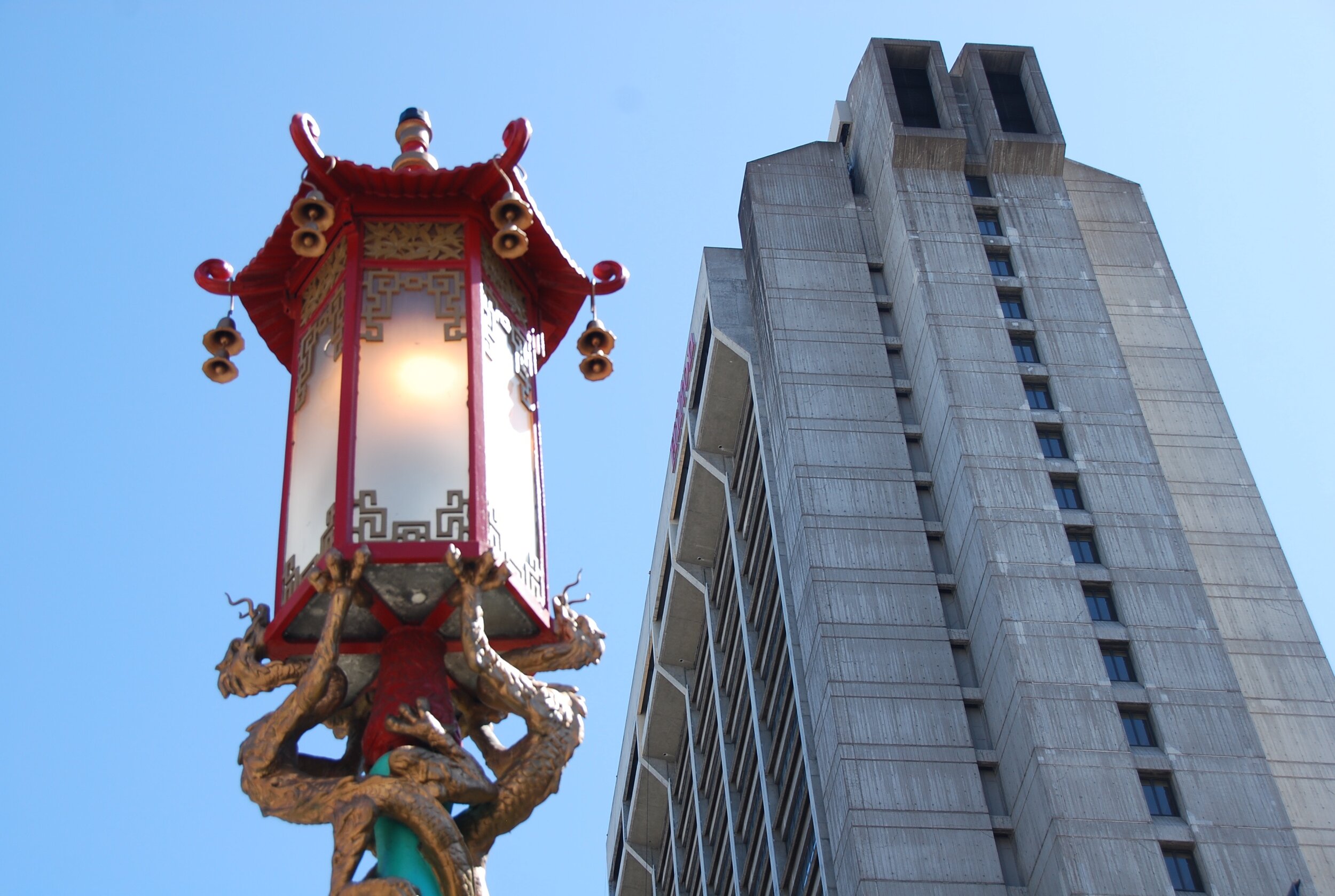
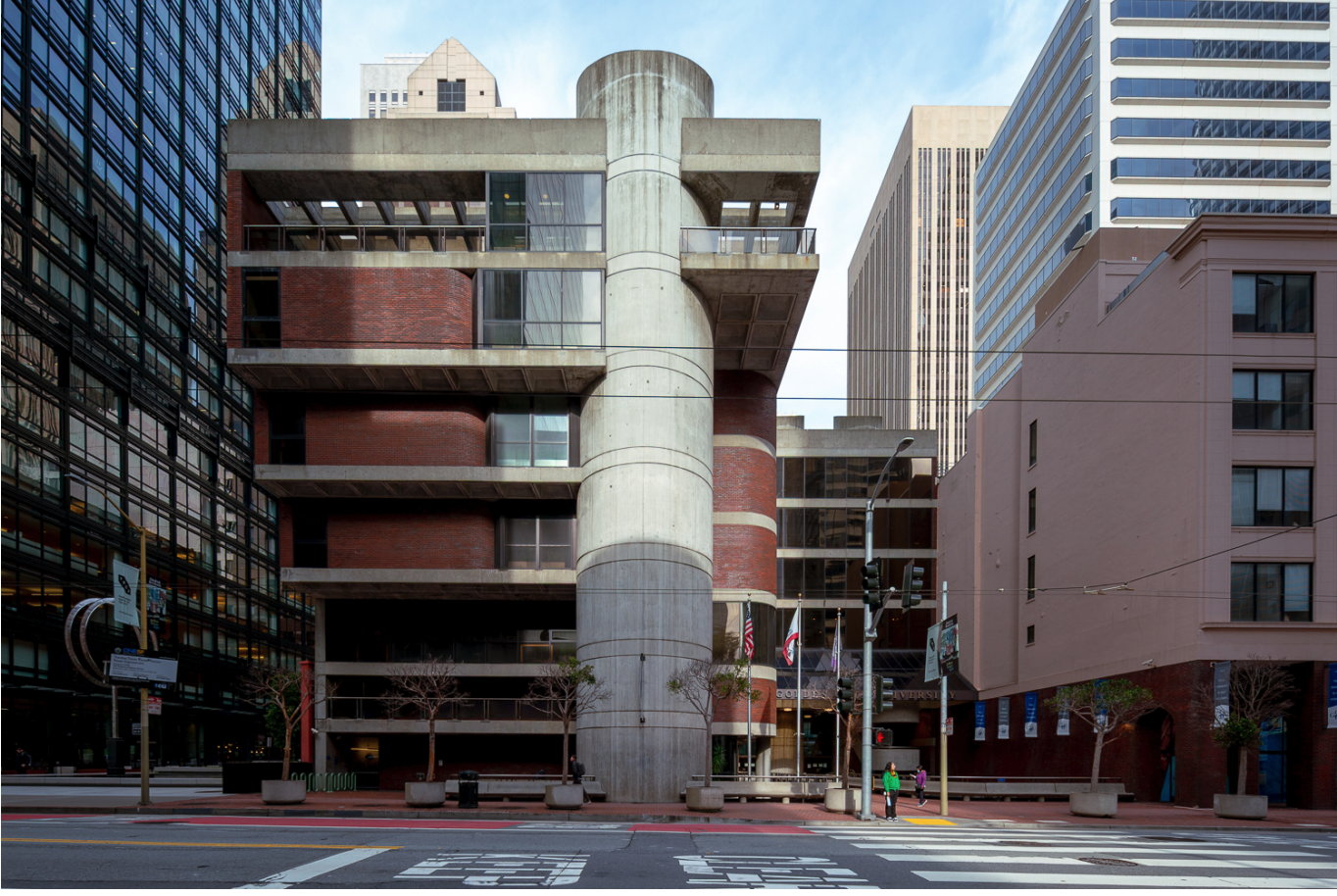
Golden Gate University’s distinctive 1979 Late-Modern campus at 536 Mission Street faces demolition for a proposed SOM-designed high-rise redevelopment. Recently found eligible for the California Register, the Podesto and T. Y. Lin-designed complex is a rare Brutalist ensemble whose sculptural architecture and public spaces warrant serious preservation consideration.
Celebrate the 2026 Modernism in America Awards winners at Docomomo US’s November 5 ceremony in New York City. Join preservation professionals, design advocates, and honorees at Design Within Reach as we recognize 15 exceptional projects and people advancing the preservation, restoration, adaptive reuse, and stewardship of modern architecture across the United States.
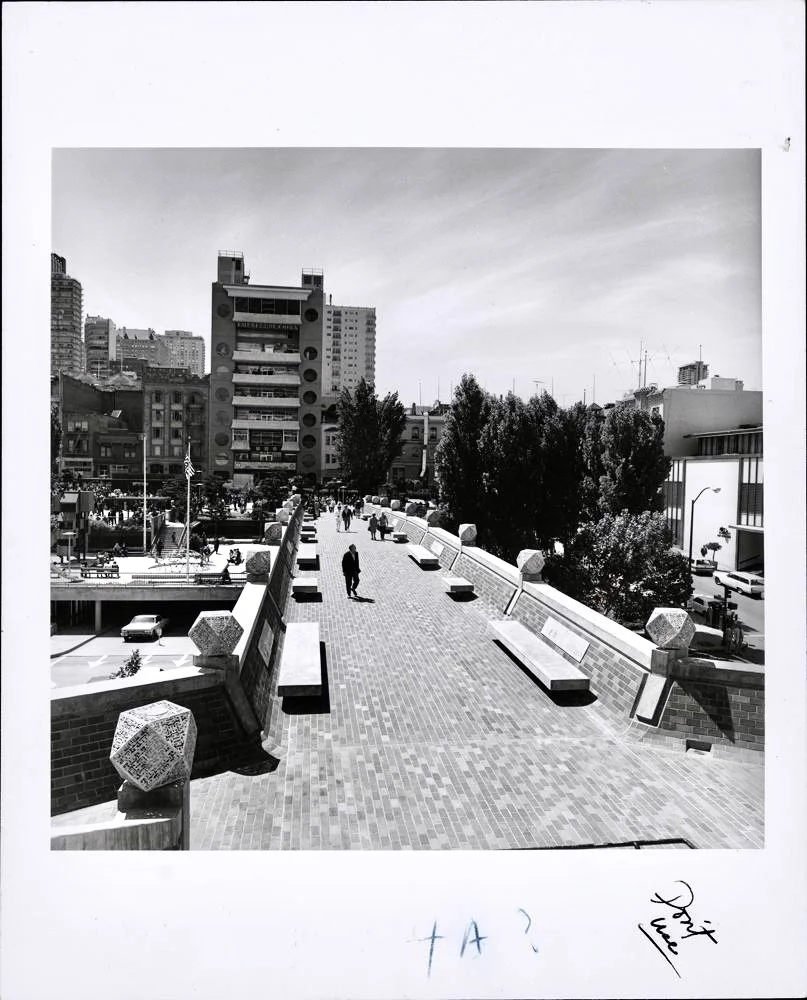
San Francisco’s Portsmouth Square pedestrian bridge—an acclaimed Chinese American Modernist work and landmark skating site—was demolished in August.
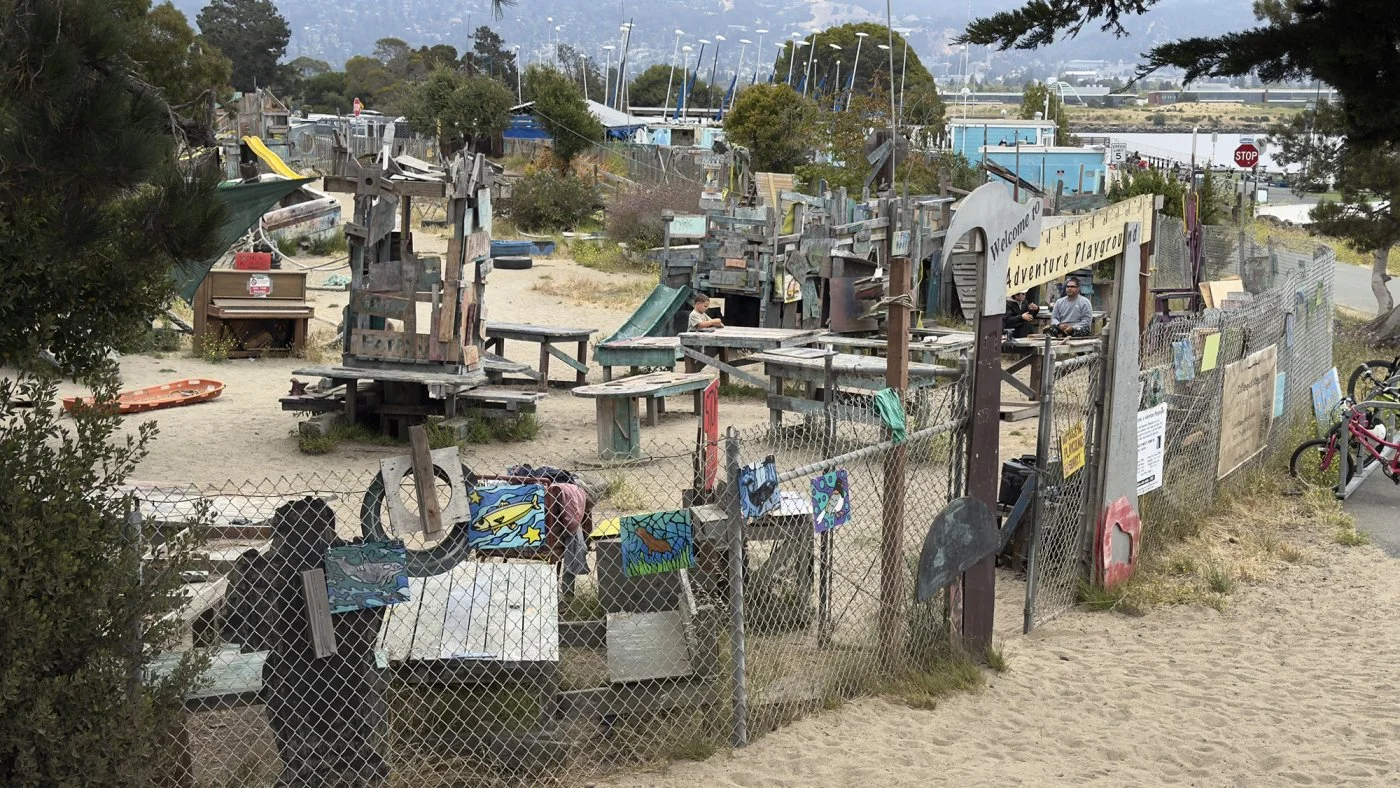
San Francisco architect and Docomomo US/Northern California member, Colin Alley, has written a new essay in which he examines the development of the European adventure-playground movement—this movement being based on children having free access to tools, scrap materials, earth, and controlled risk—within the San Francisco Bay Area from the 1960s up to 1979. The essay, which was published on August 26, 2026, links C. Th. Sørensen's 1943 Emdrup "junk playground" and Lady Allen of Hurtwood's work in the UK to the countercultural design environment of the Bay Area and to UC Berkeley's College of Environmental Design.
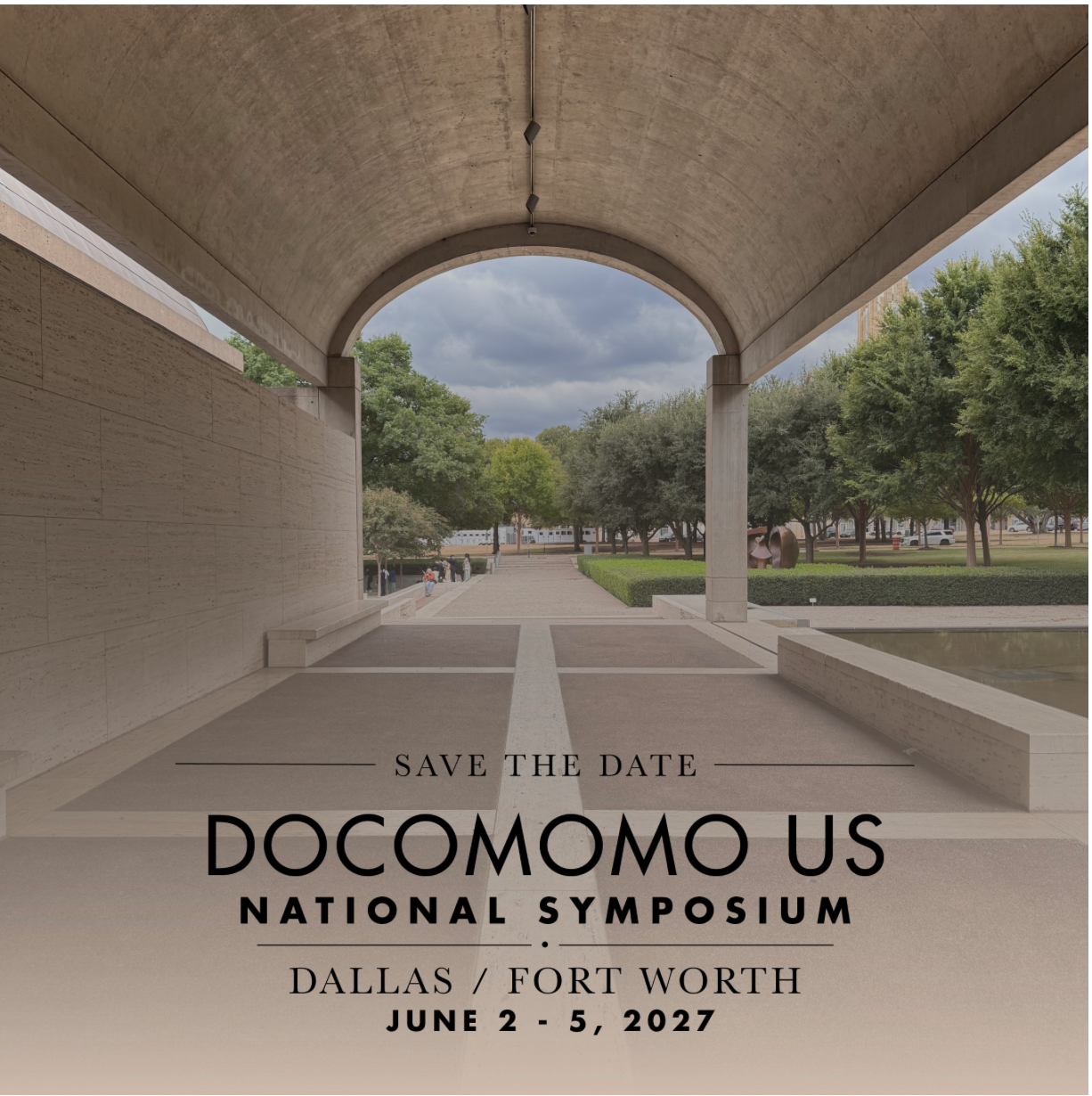
Docomomo US invites preservation professionals, architects, scholars, students, advocates, and Modern Movement enthusiasts to submit proposals for the 2027 National Symposium in Dallas and Fort Worth. “Lonestar Modernism: From Wide Open Spaces to Urban Places” will examine Texas modernism, landscapes, urbanism, and their wider cultural contexts. Abstracts are due October 18, 2026.
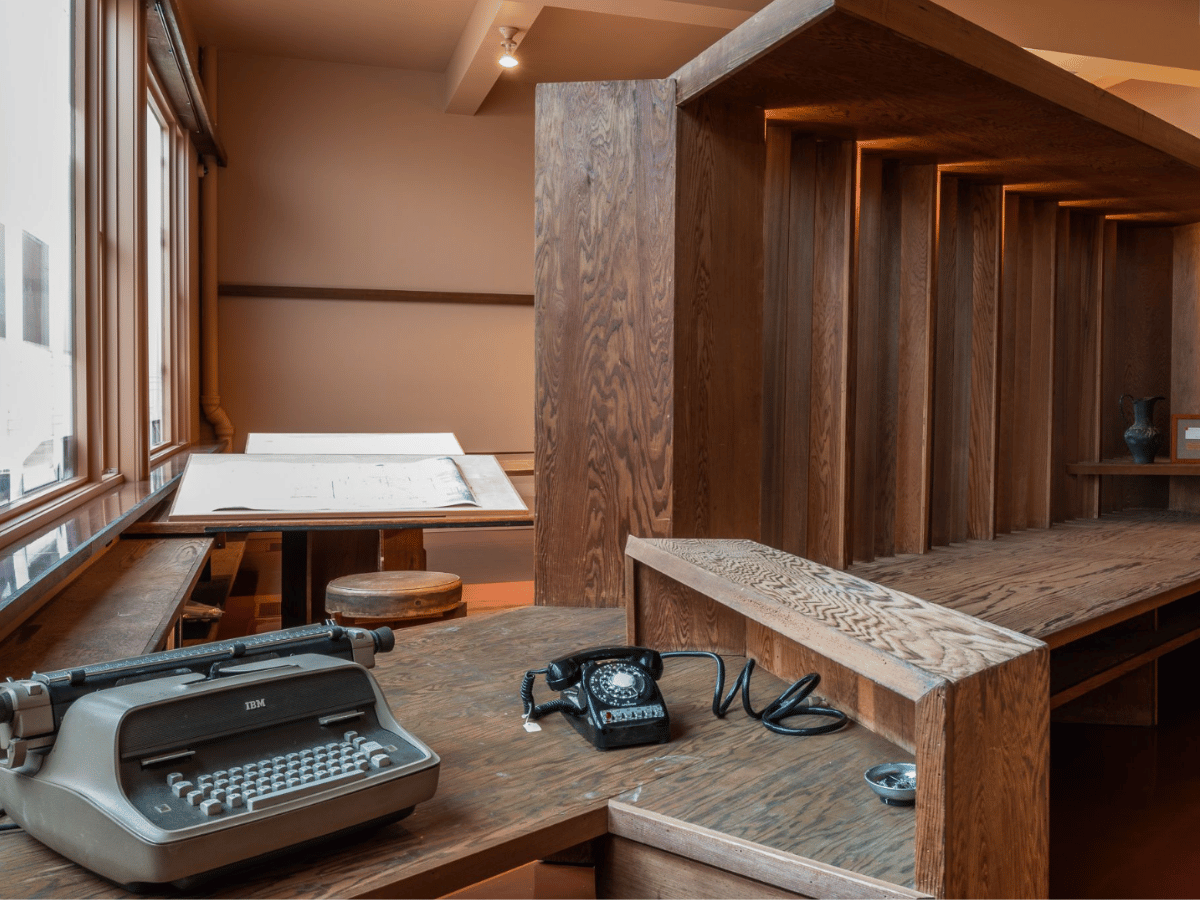
Hagen History Center in Erie, Pennsylvania, has opened the Frank Lloyd Wright Field Office Museum, built around Wright’s former San Francisco field office at 319 Grant Avenue. Used by Wright and associate Aaron Green from 1951 until 1959, the compact office served as a Bay Area base for Northern California work, culminating in the Marin County Civic Center. Now reassembled as the centerpiece of a 2,700‑square‑foot “museum within a museum,” the installation lets visitors walk through the office and drafting room, experiencing Wright’s redwood plywood construction, 120‑degree geometries, partial‑height walls, and signature red tile while surrounded by artifacts and audio‑visual material about his life and work.



The Davies House marks an important pre-war achievement by Anshen & Allen. Its open planning, modest material palette, and close engagement with landscape reveal the firm’s emerging modernist vision—one later amplified in California’s postwar subdivisions—while affirming the house’s singular architectural character.